All Articles
8 benefits of combined heat and power

Explore how Cogeneration is becoming crucial globally, offering environmental, economic, and social benefits through sustainable, efficient energy production.
How does combined heat and power (CHP) work?
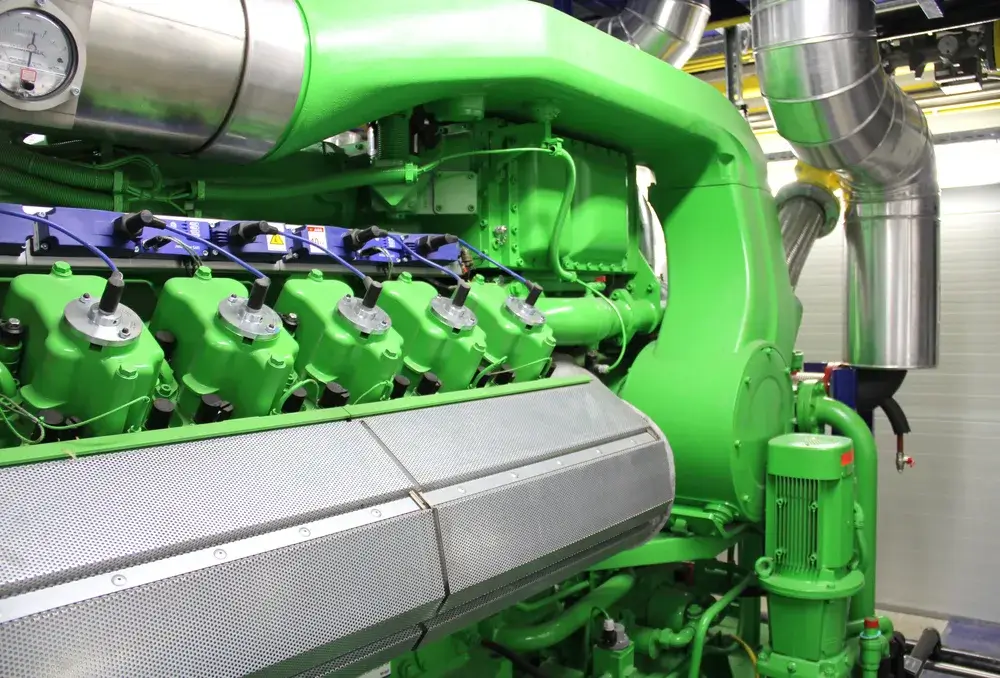
Discover how Cogeneration revolutionizes energy by simultaneously generating electricity and heat, cutting CO₂ emissions and enhancing energy efficiency.
What is meant by cogeneration?
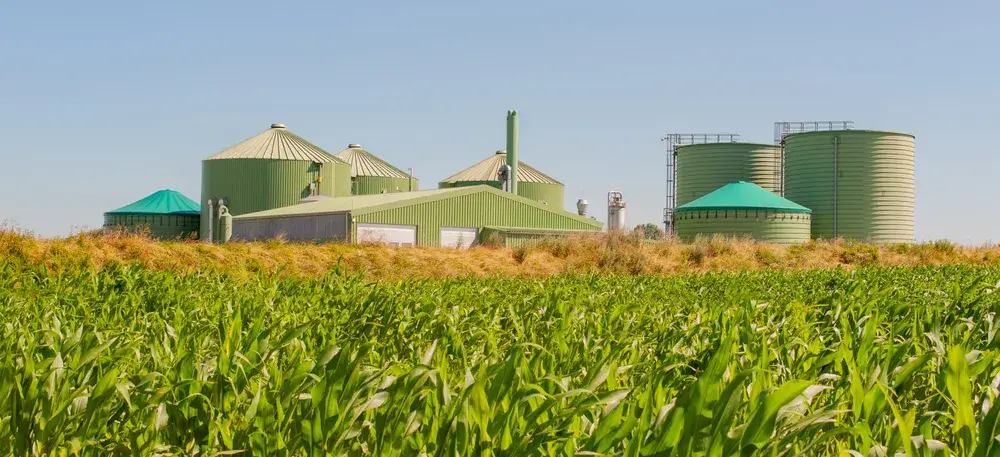
Cogeneration enhances energy efficiency, reduces emissions, and promotes environmental and economic benefits. Learn more here!
What is the heating system of the future?

Heat pump, district heating, or combined heat and power plant? What is the heating system of the future? In this article, we will look into this topic.
Combined Heat and Power Plants – our detailed guide

Combined Heat and Power (CHP) plants, efficient in simultaneously generating electricity and heat, are gaining popularity for their environmental benefits. They range from small-scale to larger units, fitting various energy needs. The core technology of CHP involves cogeneration, using engines and generators to optimize energy usage.
Is it worth it? An overview of the costs of a combined heat and power plant
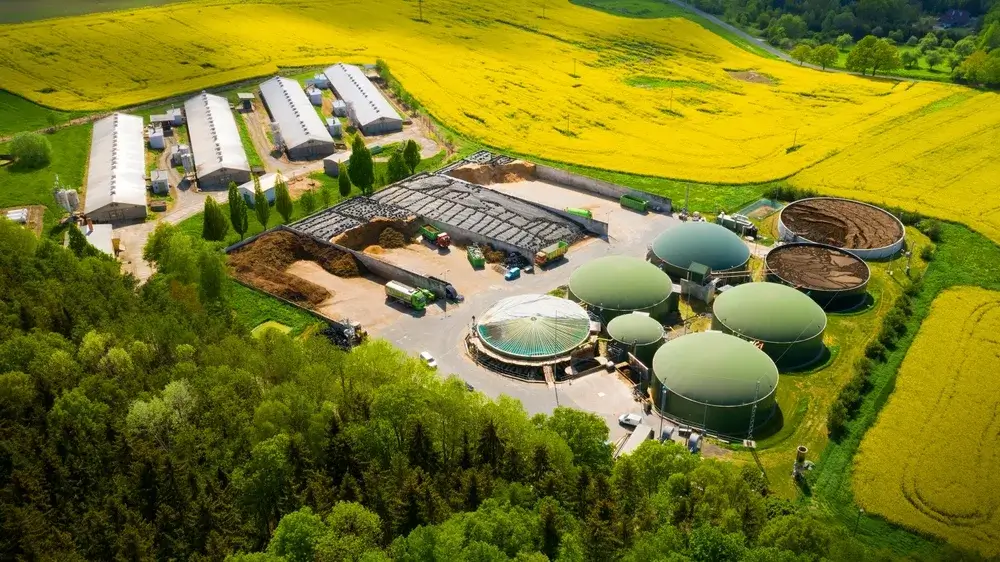
Amid rising energy costs and a push for sustainable solutions, Combined Heat and Power (CHP) plants stand out for their efficient and ecological energy generation. These systems range in size, suitable for single-family homes to larger facilities like swimming pools, and their cost includes acquisition, operation, and maintenance, varying based on the plant's size and type.
The combined heat and power plant in a single-family house — what you need to know
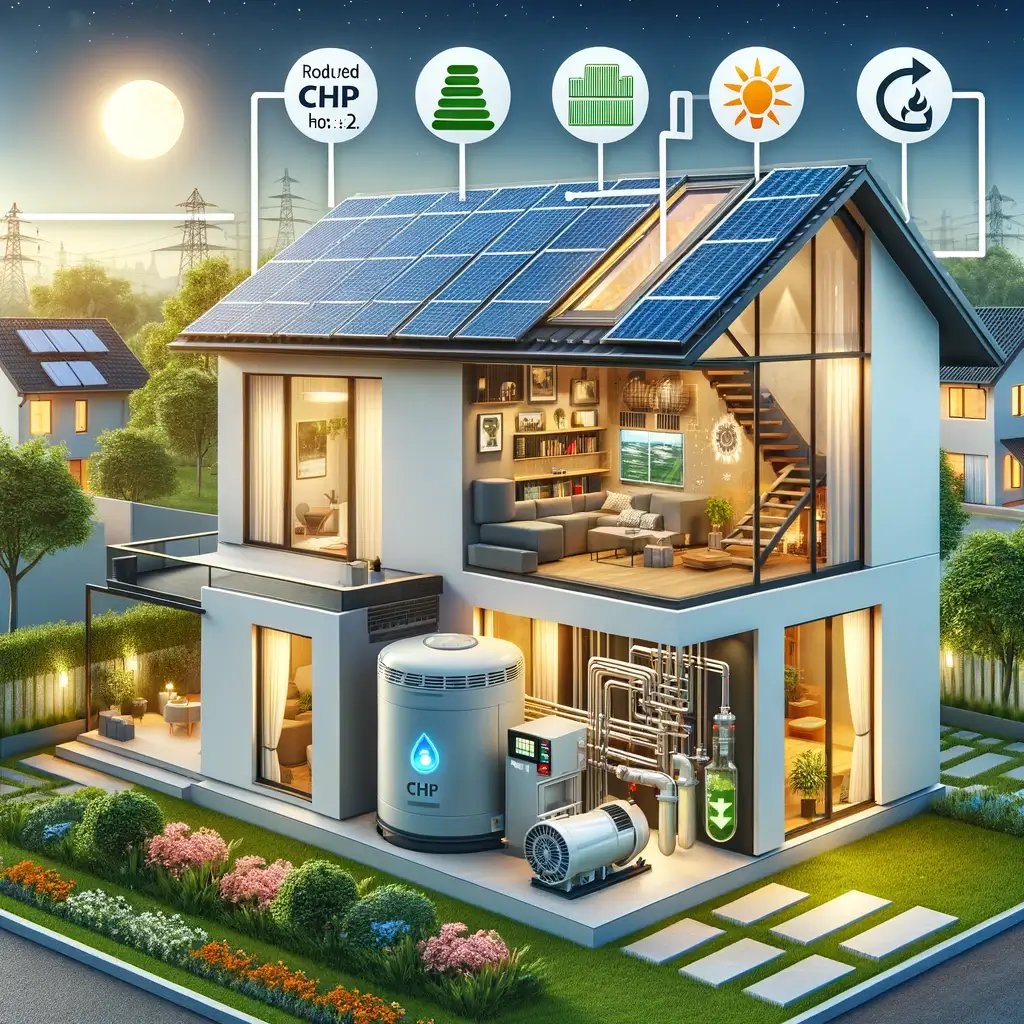
A Combined Heat and Power (CHP) plant is a compact system that simultaneously generates heat and electricity, maximizing energy efficiency by utilizing waste heat. For single-family homes, CHPs offer ecological benefits like reduced CO2 emissions and economic advantages including lower energy costs and energy independence. Integration of a CHP requires consideration of space, system size, and expert support, with companies like PowerUP providing essential maintenance and parts.
The Pros and Cons of Biogas in detail
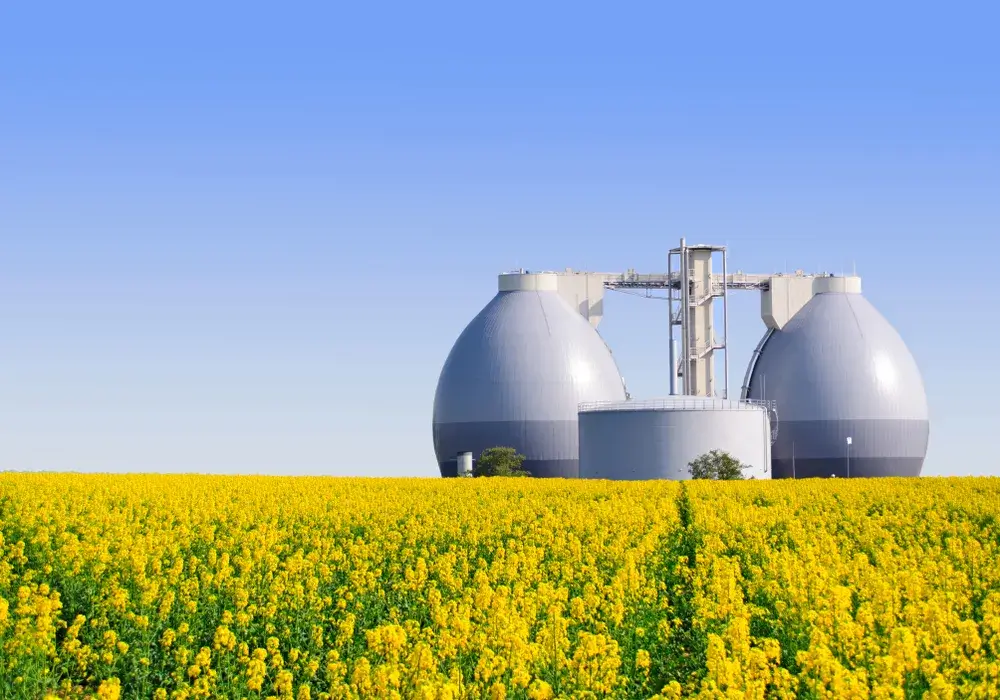
In this article, we will thoroughly examine the pros and cons of biogas, looking at advantages such as promoting agriculture and disadvantages such as high investment costs. As Expert in maintaining, overhauling and optimizing efficiency of biogas engines, we will give some insights from our point of view.
Biogas Plants – A Comprehensive Guide
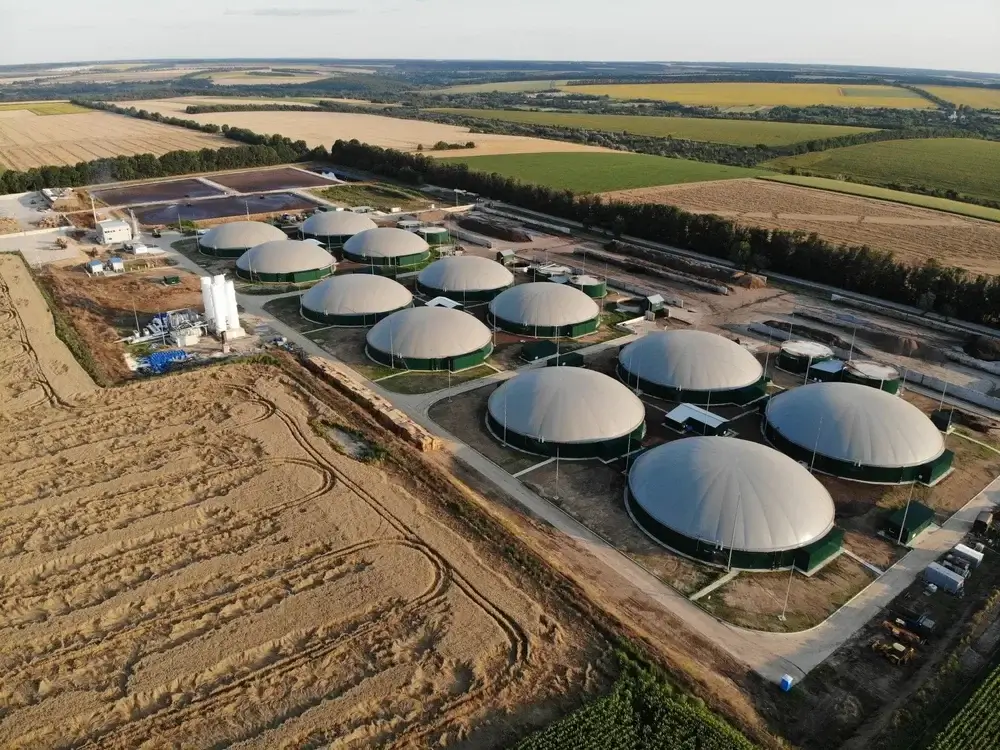
In this article, you will find comprehensive information about biogas plants – from their history and components to their advantages. As experts we will give you well-founded insights in this field. Read on to find out more!
The construction of energy plants with gas engine drive
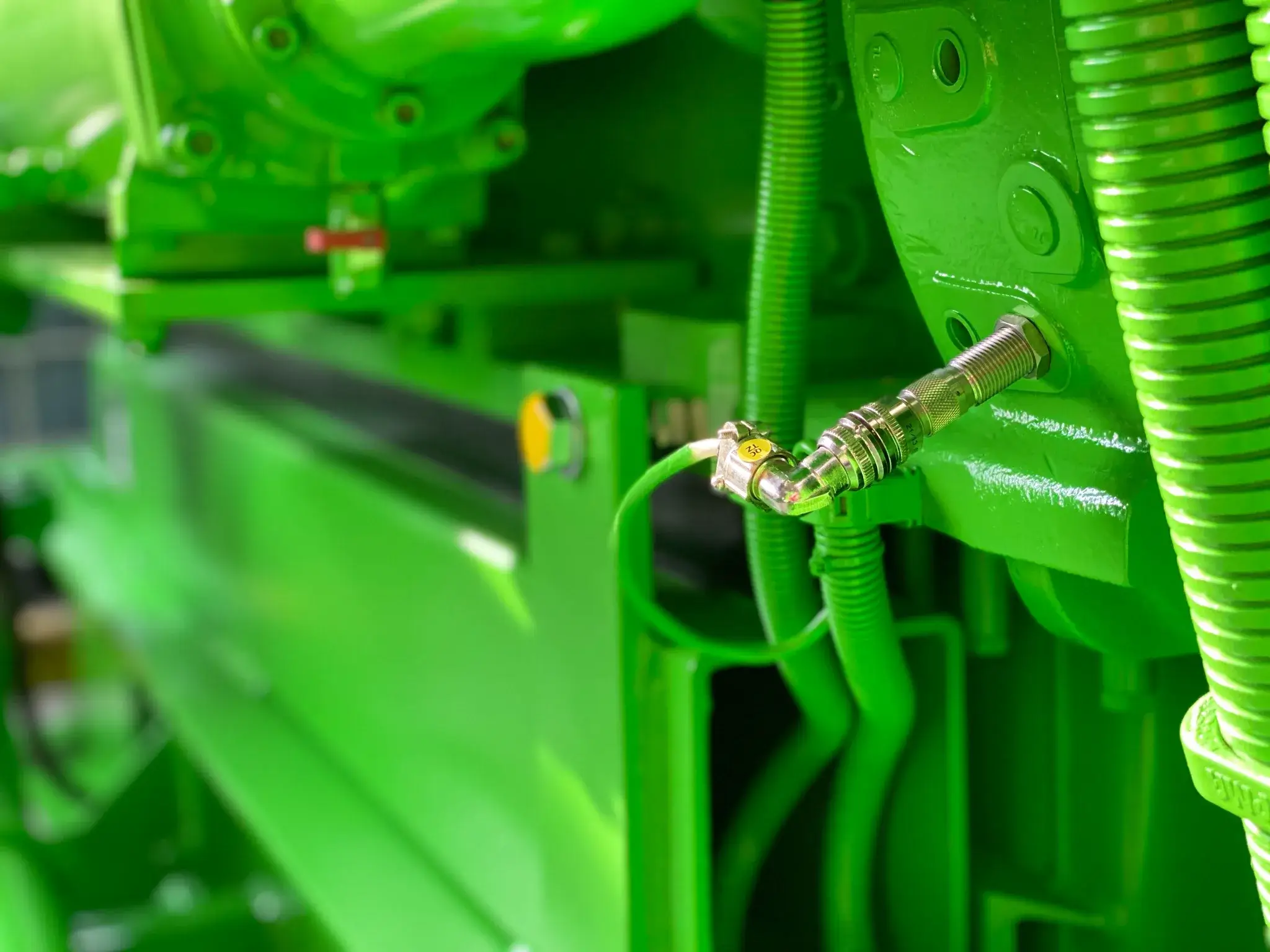
This article highlights the construction, components, energy efficiency, and environmental impact of gas engine systems. PowerUP offers tailored solutions for optimizing gas engine efficiency and reliability.
The advantages of contracts with independent providers in the gas engine sector
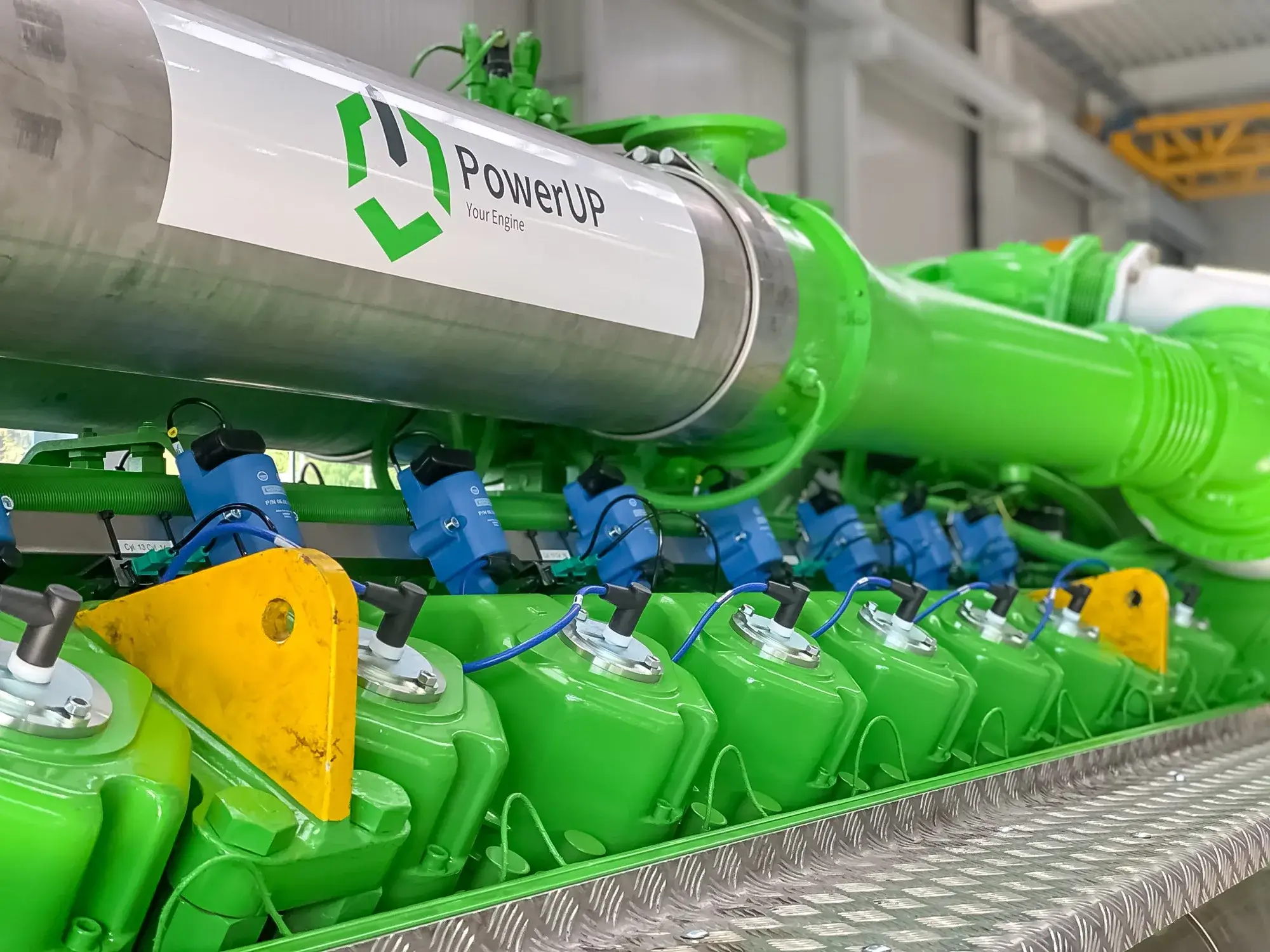
In the evolving gas engine market, independent suppliers stand out for their flexibility, customized solutions, and efficient services. Companies like PowerUP offer specialized support for brands like MWM®, Caterpillar®, and INNIO Jenbacher®, optimizing engine maintenance and extending lifespan, thereby providing value and cost-effectiveness.
Challenges of Gas engines – An overview of technology and applications
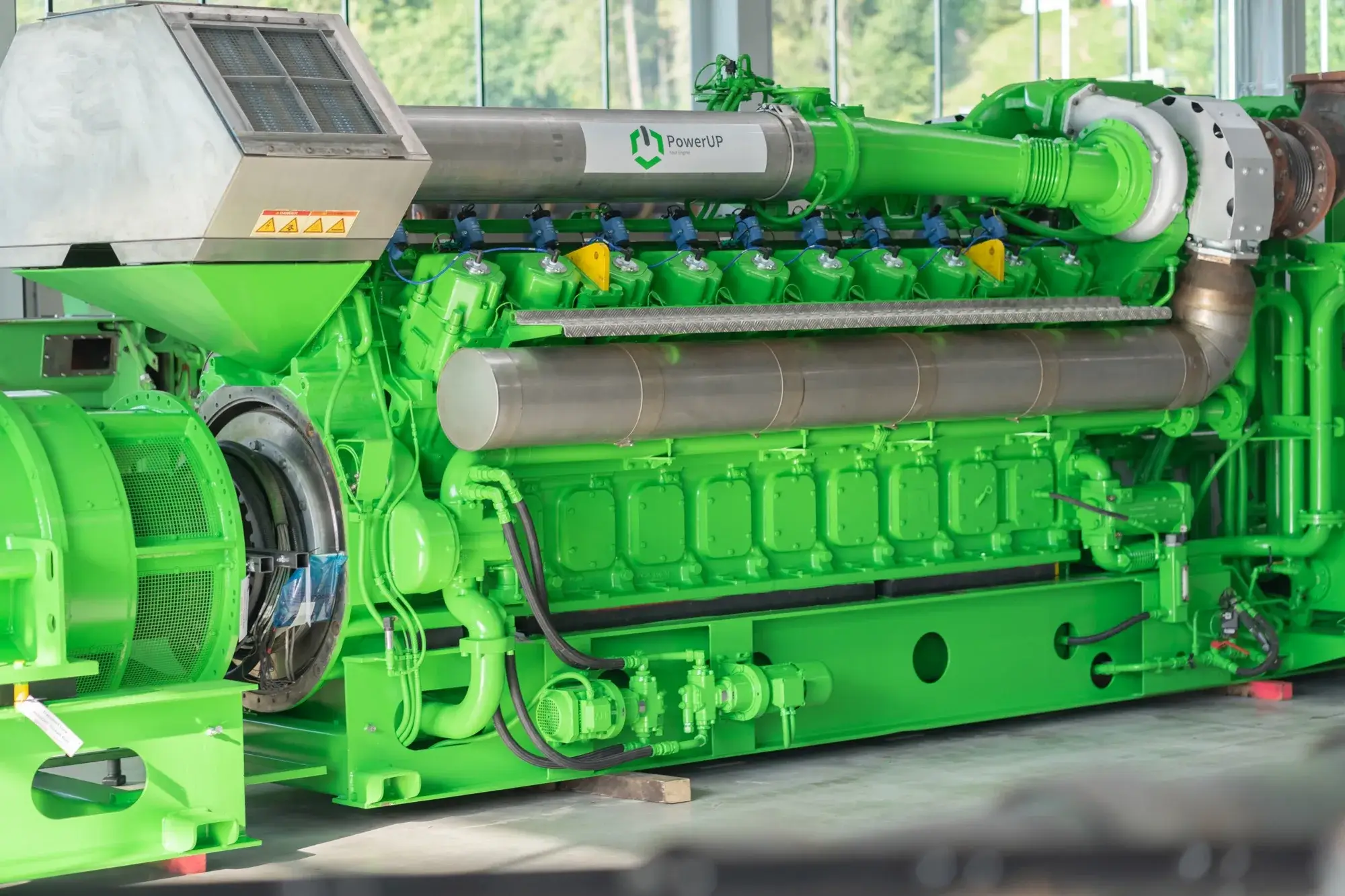
This article provides an overview of the technology, areas of application, and challenges of gas engines. Read on!
Subscribe to the PowerUP Innovation-Letter
Get the the latest innovations and upgrades regarding gas engines delivered to your inbox each month.